
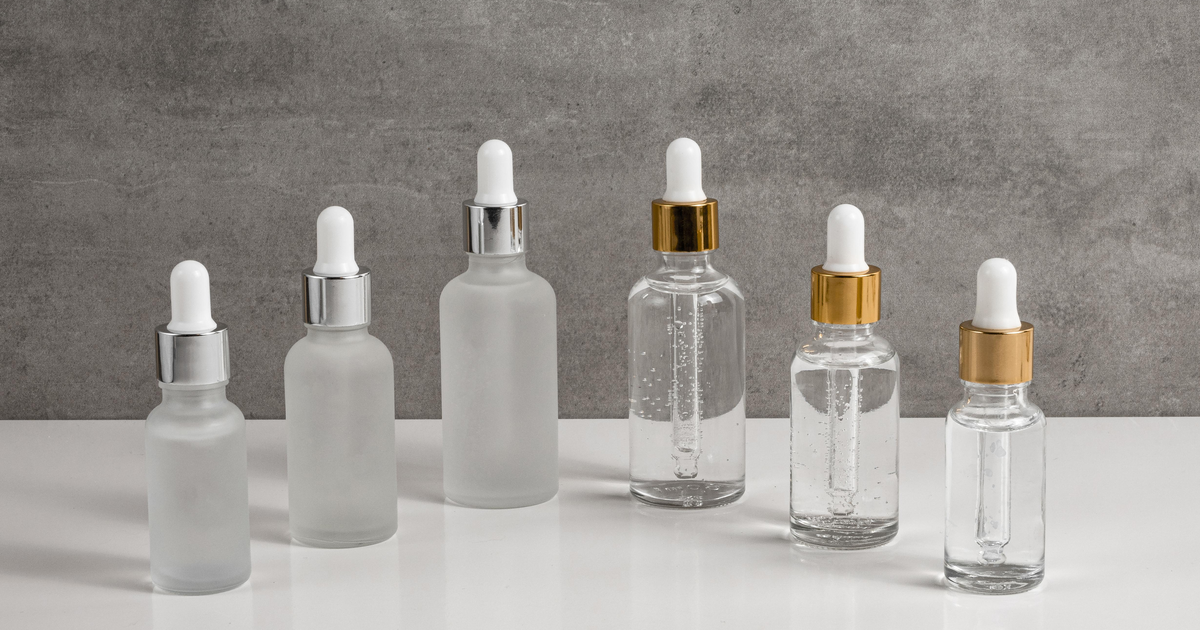
If your store sells lots of similar products, say eight hydrating serums or five gentle cleansers, the skincare product recommendation tools worth testing fall into two groups. Co-purchase and merchandising tools (Shopify Search & Discovery, Also Bought, LimeSpot) answer "what goes with this product?". Skin-based tools such as Face Age answer "which of these products fits this shopper?". When shoppers stall because your range looks the same to them, the second question is usually the one that's costing you, so test at least one tool from each group.
Here's what each tool does according to its own Shopify App Store listing (checked 25 November 2026), and how I'd set up a test.
Why similar products break normal recommendations
Most recommendation engines were built for catalogs where products are different from each other. Phone and case. Shirt and belt. "Customers also bought" works there because the relationship is obvious.
Skincare's problem is different. A shopper lands on a vitamin C serum, sees three other vitamin C serums and two niacinamide ones in the "You may also like" strip, and now has six tabs open and no way to choose. The widget did its job. It showed related products. It just made the decision harder.
So before comparing apps, be clear which job you're hiring for:
- Cross-sell: add a cleanser and SPF to the serum in the cart.
- Discovery: help someone browsing find a product type they didn't know about.
- Selection: help an undecided shopper pick one of several near-identical options.
Most apps on this list are strong at the first two. Selection needs information about the shopper, not just the product.
Four skincare product recommendation tools on Shopify
Shopify Search & Discovery
Shopify's own free app. Its listing covers search filters, synonym groups (so "SPF" matches "sunscreen"), product boosts in search results, and related and complementary products on product detail pages. You pick complementary products by hand, and Shopify generates related ones.
Good for: tidy cross-sells you control ("this toner goes with this cleanser"), better search and filters on big collections.
Limit for similar products: it knows which products relate to each other. It doesn't know anything about the shopper's skin, so "related" in a range of eight serums tends to mean "the other seven serums".
Also Bought (Code Black Belt)
A paid app built around the "customers who bought this also bought" widget. Its listing says it analyzes your store's sales history, new orders and product updates, with no limits on products, orders or traffic. The Professional plan was $19.99 a month with a 14-day trial when I checked.
Good for: stores with real order history, where co-purchase patterns are meaningful. Merchant reviews on the listing mention both automatic and manual controls, which helps with niche products.
Limit for similar products: co-purchase data tells you that people who buy Serum A often buy Cleanser B. It can't tell a new visitor whether Serum A or Serum C suits them. New launches start with no history.
LimeSpot
LimeSpot positions itself as bundles, upsells and cross-sell offers from homepage to checkout, with a free plan and paid tiers. Its higher Max tier adds what it calls the LimeSpot Personalizer, audience segmentation, A/B/n testing and email and SMS personalization, with a monthly fee that rises with store revenue.
Good for: stores that want bundles, cart upsells and post-purchase offers in one place, and want to test offer variants.
Limit for similar products: personalization here is based on browsing and buying behaviour. It's strong once you know someone. A first-time visitor who's confused about serums still gets behaviour-based guesses.
Face Age
Face Age is a skin-based tool. The shopper takes one selfie, the analysis reads 13 visible skin concerns across 250+ attributes, and the app recommends products from your catalog that match those concerns. A short quiz in the same flow covers what a camera can't see, like how reactive their skin is. It's a cosmetic analysis of visible skin for shopping. Not a medical diagnosis; does not replace a dermatologist.
Each product is linked to the concerns it's for, the severity where it fits, and quiz conditions that exclude it. That's what makes it useful with similar products: two hydrating serums can sit at different severities, or one can be excluded for shoppers who say their skin stings easily. How AI skin analysis picks products explains those rules in detail.
Plans on the Shopify App Store are Start $59, Plus $129, Growth $249 and Scale $499 a month, each with a 7-day free trial.
Good for: the selection job. An undecided shopper gets a short list from your range with a reason tied to their scan.
Limit: it isn't a cart upsell or bundle-discount engine. If you want checkout offers, pair it with an app that does that.
Side by side
| Search & Discovery | Also Bought | LimeSpot | Face Age | |
|---|---|---|---|---|
| Main question answered | What relates to this product? | What do buyers of this also buy? | What offer should this shopper see? | Which product fits this shopper's skin? |
| Data it uses | Your product links and search settings | Order history | Browsing and order behaviour | A skin scan plus quiz answers |
| Works on day one with no orders | Yes | Limited | Limited | Yes |
| Helps pick between similar products | Weakly | Weakly | Somewhat, for known shoppers | Yes, by concern and severity |
| Pricing (listing, Nov 2026) | Free | From $19.99/mo | Free plan; paid tiers | From $59/mo |
How I'd test them on a store with lots of similar products
Pick one category that stalls. Serums or moisturizers are usual suspects. Look at product pages with high views and low add-to-cart.
Fix the merchandising basics first. Clear product names that say what each one is for ("Barrier serum for dry, reactive skin" beats "Hydra Serum 2"). Filters by concern. This helps every tool.
Add cross-sells with Search & Discovery. It's free and you control it. Set complementary products by hand for your top sellers.
Add a selection step. Put a "Find my serum" scan on that category page. With Face Age, a floating button on collection pages is the quickest test. Map only that category's products at first, with a clear reason for each.
Keep the result short. Three to six products. If the result shows all eight serums, the mapping is too loose. Our skin scan serum recommendations guide shows how to split serums and moisturizers so results don't overlap.
Review weekly. In Face Age's Analytics page you can see which products are shown after an analysis and which get added to cart. Products shown a lot but rarely added usually have a mapping or pricing problem.
If you'd like routines rather than single products, personalized skincare bundles built from scan results covers grouping products into sets, and how automated beauty recommendations work walks through the full path from scan to product list.
Which combination makes sense
New store, small catalog: Search & Discovery for search and complementary products. Add a skin scan once you have more than two or three options per concern.
Established store, big similar range: a co-purchase or upsell app for the cart, plus a skin-based tool for selection on the categories where people stall.
Store already running LimeSpot or Also Bought: keep it. The gap it leaves is the first-visit shopper who doesn't know which product to pick, and that's a different tool. The recommendations feature page shows what the scan-based results look like.
One honest warning: two widgets on the same product page both showing "recommended for you" will confuse people. Give each a clear label. "Pairs well with" for cross-sells, "Matched to your skin" for scan results.
For the bigger picture of putting a scan, a quiz and product rules together into one flow, see guided selling on Shopify for beauty brands.
FAQ
What's the best recommendation tool for a skincare store with many similar products?
Use a co-purchase or merchandising tool for cross-sells, and a skin-based tool like Face Age for choosing between similar products.
Is Shopify Search & Discovery free?
Yes, it's Shopify's own free app.
Do recommendation apps need order history?
Behaviour-based ones do. Skin-based and rule-based matching work from the first visit.
Can Face Age run alongside an upsell app?
Yes. They handle different steps.