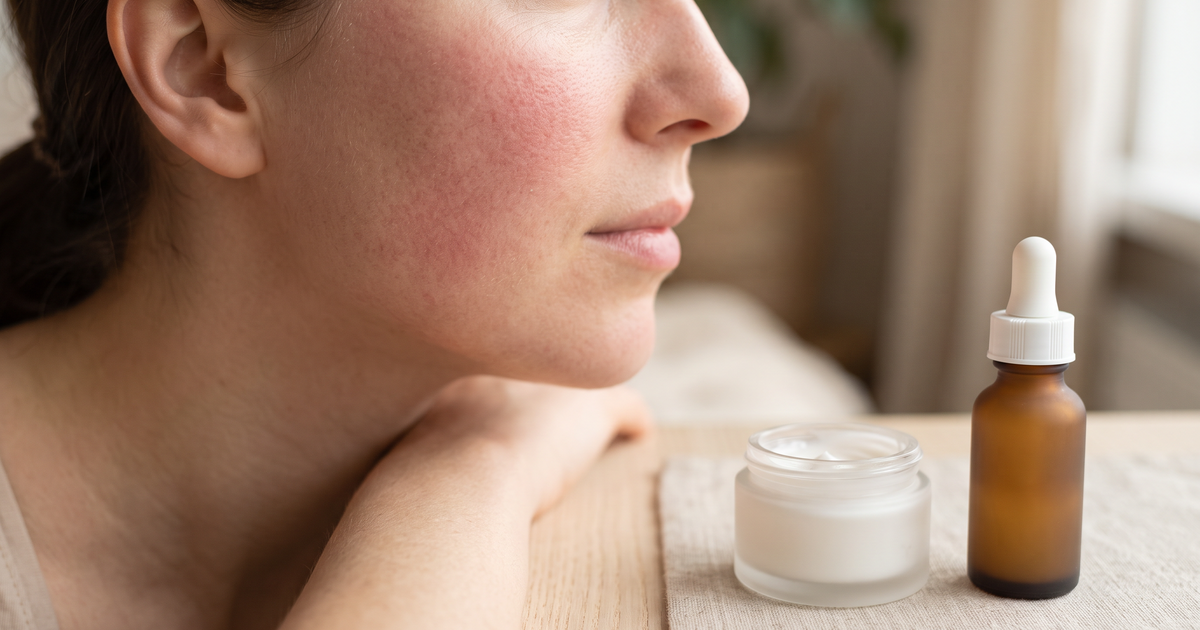
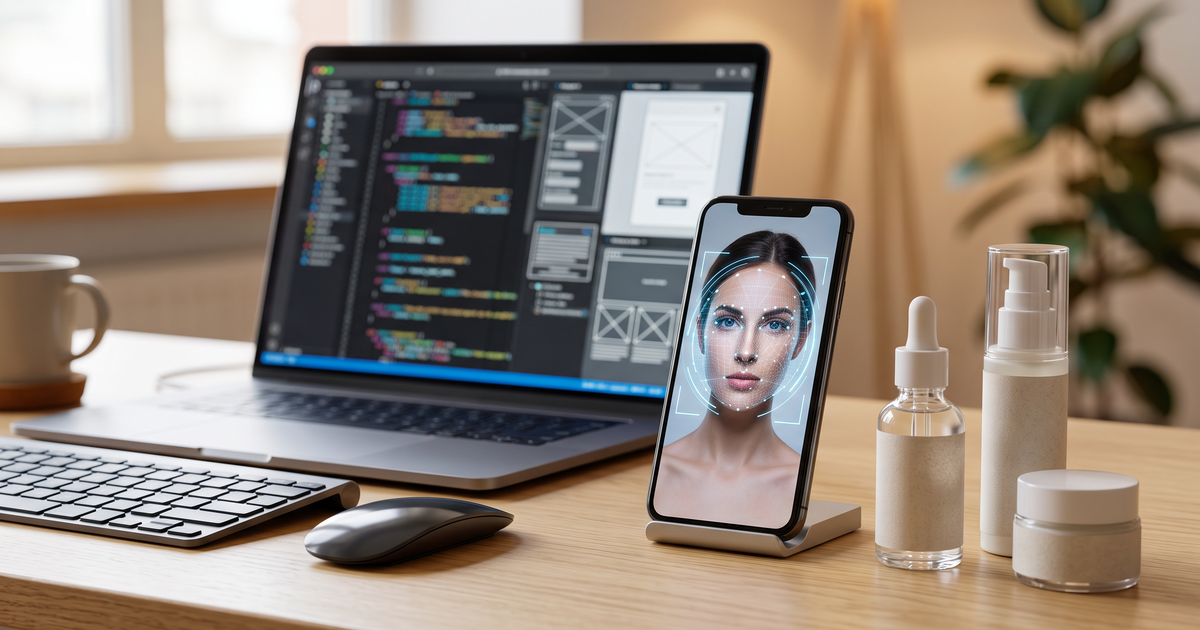
A skin analysis SDK is only useful if what it returns matches the job. Banuba and Visage Technologies are strong face-tracking and AR toolkits whose public docs center on makeup try-on, beautification and skin tone. Face Age is built for the shopping job: it reads 13 visible skin concerns from one photo and turns them into products, routines and reports from your own catalog.
So the honest answer to "which skin analysis SDK is best" is another question: are you building a camera effect, a shade finder, or a skincare recommendation flow? This post compares the three on what their public documentation says, checked on November 13, 2026.
Key terms
- SDK: a code library added to an app or site. Some run on the device, some call a cloud service.
- On-device processing: the image is analyzed on the shopper's phone or browser and isn't sent to a server.
- Skin tone estimation: a color reading of the skin, often mapped to a scale such as the 10-class Monk Skin Tone scale.
- Skin concern analysis: reading visible topics like wrinkles, pores, redness or pigmentation, usually with a severity level.
- Product matching: turning analysis output into specific products from a catalog.
What each SDK actually returns
Here's the short version, based only on each vendor's public pages.
| Face Age | Banuba | Visage Technologies | |
|---|---|---|---|
| Main focus | Skincare analysis and product matching for stores | Face AR, beautification, makeup try-on | Face tracking and analysis, makeup try-on |
| Skin output documented | 13 visible concerns across 250+ attributes, Skin Age, Skin Health | Skin segmentation, cosmetic acne detection and removal, skin smoothing, skin color | Skin tone estimation on the Monk scale (10 classes) plus an RGB value |
| Product matching | Built in, from your catalog, by concern and severity | Through its TINT platform, which uses a photo plus questions | Docs say a product recommender "can be conducted on the backend" for a brand |
| Where it runs | Hosted analysis, added by script tag, npm package or React/Vue components | Face AR SDK on-device; TINT recommendation layer cloud-based | The visage SDK works online or offline, in cloud or on device |
| Quiz, routines, history, PDF | Included | Not documented in the SDK | Not documented in the SDK |
Banuba
Banuba's Face AR SDK is a real-time camera toolkit. Its docs list skin segmentation, hair and lip segmentation, light correction and a rendering engine, and its Beauty AR page lists skin smoothing, skin tone enhancement and an acne feature that detects affected regions, can highlight them and applies a cosmetic correction. Banuba states plainly that the acne output is cosmetic, not a medical assessment. I like that they say it.
For recommendations, Banuba points to TINT, its try-on platform. TINT takes a photo or camera image, asks a few questions about skin, and matches that to products in its database. That's a platform decision as much as an SDK one, so check how your catalog gets into it.
Visage Technologies
Visage's makeup|SDK combines face tracking with AR makeup across foundation, blush, eyeshadow, lipstick and more. Its Shade finder module estimates skin tone and returns a Monk Skin Tone class from 1 to 10 plus an estimated RGB color. The March 2026 release (4.2) added face, eye and lip shape analysis, hair and eye tone estimation and a light-condition check that estimates whether the face is evenly lit.
If you sell foundation or concealer, that tone reading is exactly what you want. If you sell serums for pigmentation and pores, it isn't the same data.
Face Age
Face Age reads one shopper photo for 13 visible concerns, such as wrinkles, pores, acne, pigmentation, redness and dryness, and gives each a severity level. You link your own products to those concerns, so the result shows items from your catalog, not a vendor database. The same SDK carries the quiz builder, AM and PM routines, scan history, two-scan comparison and branded PDF reports. Not a medical diagnosis; does not replace a dermatologist.
On the code side, Face Age publishes face-age on npm, plus react-face-age and vue3-face-age components, and a script tag for any page. There's more detail on the two install routes in skin analysis API vs Shopify app.
Which skin analysis SDK fits your project?
I'd split it by the question the shopper is asking.
"What shade am I?" Visage's Shade finder or Banuba's try-on stack. Both are built around live camera, color and makeup rendering. Face Age doesn't do makeup try-on.
"What does my skin need?" Face Age. The concern-plus-severity output is the input you need to recommend a toner or a retinoid-style serum, and the matching logic is already there. With an AR toolkit you'd be building that layer yourself.
"Can I see it on my face?" Banuba or Visage. If you're not sure you need try-on or analysis at all, read virtual try-on vs AI skin analysis first. Plenty of beauty stores end up wanting both, from two vendors.
What to check before you commit
These are the questions I'd put to any vendor, including us.
- Where does the photo go? On-device processing keeps images local, which is simpler for privacy. A hosted analysis means you need a clear privacy notice. Our post on what your privacy policy should cover walks through the wording.
- What exactly comes back? Ask for a sample response. A tone class, a list of segmentation masks and a list of concerns with severity are three different things.
- Who owns the product mapping? If recommendations come from a vendor database, your own products may not appear. If they come from your catalog, someone on your team maps them.
- What happens with bad photos? Visage documents a light-condition model. Face Age has an Image Suitability Check. Ask how each handles a dark or tilted selfie.
- How much front end do you have to build? A raw SDK gives data. A packaged flow gives screens. Count the weeks honestly.
If you're also weighing cloud APIs from Perfect Corp or Face++, we compared those in a separate skin analysis API comparison.
Integration effort, roughly
With Banuba or Visage you're integrating a camera pipeline: initialize the SDK, handle permissions, render frames, read results. That's normal mobile or WebGL work, and it's where they're strongest.
With Face Age, the fast path is a script tag or the npm package. Results can also go to your own server by webhook, and to tools like Klaviyo, HubSpot or Mailchimp. If your store isn't on Shopify, the WooCommerce, WordPress and custom site guide shows the steps. The full list of connections is on the integrations page.
Pricing
I didn't find public prices for the Banuba or Visage SDKs on the pages I checked, so I won't guess. Ask each vendor for a quote based on your platforms and traffic. Face Age's API and enterprise options are on the enterprise page and pricing.
Sources
Checked November 13, 2026: Banuba Beauty AR SDK page and Face AR SDK features docs (banuba.com, docs.banuba.com); Banuba's AI skin technology guide; Visage Technologies makeup|SDK features, About makeup|SDK and release notes (docs.visagetechnologies.com, visagetechnologies.com). Product names belong to their owners.
FAQ
What is a skin analysis SDK? A code library that reads a face from a photo or camera and returns skin data. What it returns varies a lot by vendor.
Do Banuba and Visage Technologies analyze skin concerns? Their public docs focus on AR makeup, beautification and skin tone. Banuba documents cosmetic acne detection; Visage documents Monk-scale tone estimation.
Does the Face Age SDK have the same features as the Shopify app? Yes, one feature set across both routes.
Is a skin analysis SDK a medical tool? Not these. Face Age is cosmetic shopping guidance. Not a medical diagnosis; does not replace a dermatologist.