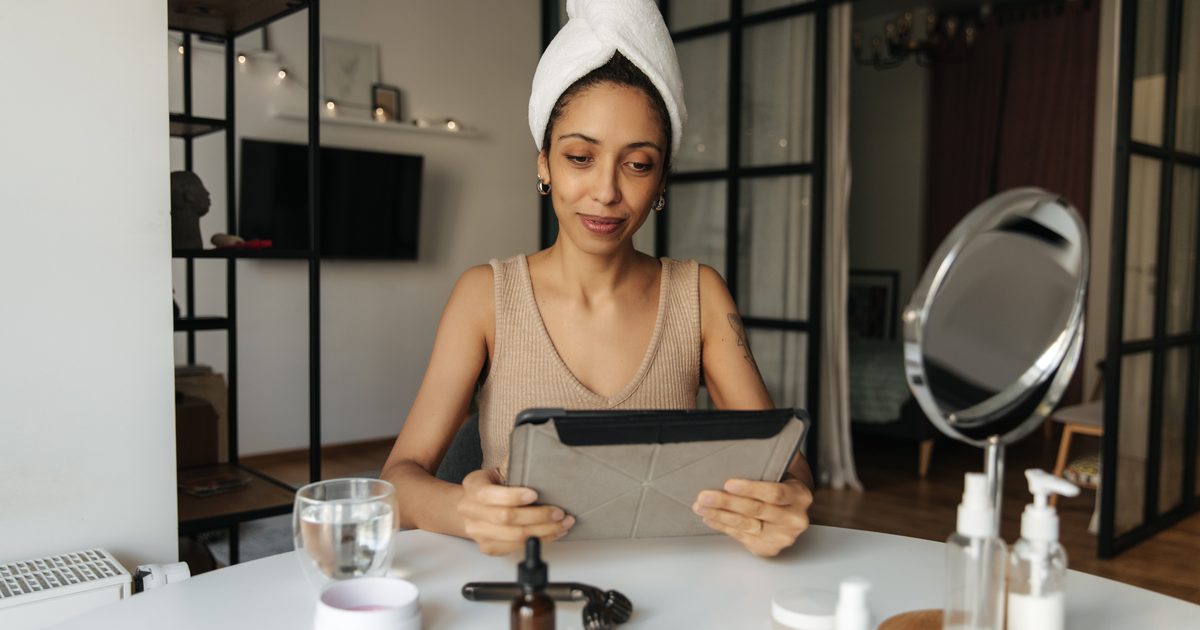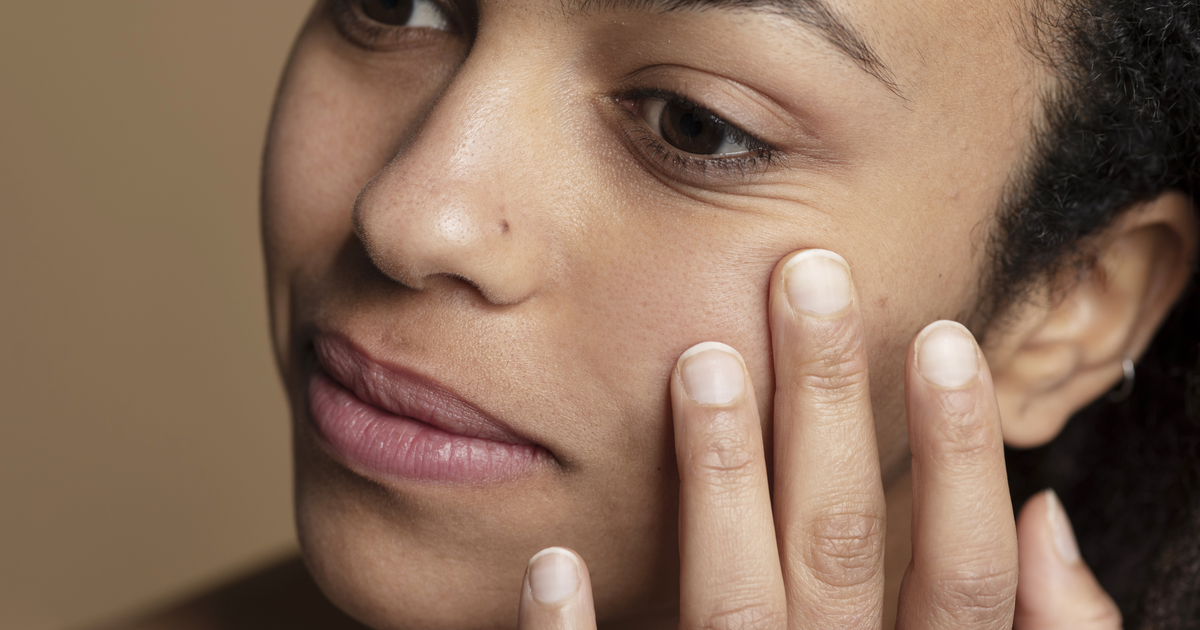

A virtual consultation for sensitive skin works on an online store when it does three things: reads visible signs like redness and dryness from a selfie, asks the shopper directly how their skin reacts, and then removes anything harsh before it suggests a short, gentle routine. The scan can't feel a sting. The shopper can. Build the flow so their answers have the final say, and keep the routine small enough that one new product at a time is realistic.
Sensitive-skin shoppers are some of the most careful buyers you'll have. They read ingredient lists, they've usually had a bad experience, and they're wary of anything that promises a lot. A consultation that respects that, and says no to products when it should, earns more trust than one that recommends your whole active range.
What a camera can and can't tell you about sensitive skin
Start with honest limits, because they shape the whole flow.
A face photo can show visible redness, dryness, uneven texture and areas that look irritated. Face Age reads 13 visible concerns, redness among them, and rates each by severity. That's useful: a shopper with visible redness at a high level shouldn't be offered the same serum as one with none.
What the photo can't show is reactivity. Two people with identical-looking skin can respond completely differently to the same exfoliant. Sensitivity is something a shopper experiences: stinging, tightness, flushing after a product. You only learn about it by asking.
So in a sensitive-skin consultation, the scan sets the starting point and the questions decide what's allowed. The scan is a cosmetic analysis of visible skin. Not a medical diagnosis; does not replace a dermatologist.
The questions that matter
Keep it to three or four. These are the ones that change the result:
"Does your skin react easily to new products?" Answers: rarely, sometimes, often. This is the main switch for exclusions.
"Which of these have caused problems before?" Options such as fragrance, exfoliating acids, retinol, essential oils, alcohol-heavy toners. Multi-select, with "none" and "not sure".
"How many steps do you want?" Sensitive-skin shoppers often want fewer, and fewer steps means fewer chances to react.
"Anything you're using now that you're happy with?" Optional, but it stops you replacing something that works.
Avoid questions that sound like a medical intake. Don't ask about conditions or medications. You're helping someone choose a cleanser, not assessing their health. Our skincare quiz questions guide has more on writing questions that actually move the product list, and the quiz builder is where you set them up in Face Age.
Turning answers into exclusions
This is the step that makes or breaks the consultation. If a shopper says their skin reacts often and fragrance has been a problem, no fragranced product should appear in their results. Not lower down the list. Not at all.
In Face Age, product rules have three parts: the concerns a product is for, the severity levels where it fits, and conditions based on quiz answers, including exclusions. For a sensitive-skin setup, I'd configure:
- Strong exfoliating acids: excluded when reactivity is "often", and when "acids" was ticked.
- Retinoid products: excluded for "often"; for "sometimes", only shown at gentle strengths if you carry them.
- Fragranced products: excluded when "fragrance" was ticked.
- Barrier creams, gentle cleansers and simple moisturisers: mapped to redness and dryness at all severity levels, so there's always something to show.
Check the last point carefully. The worst outcome is a sensitive shopper who answers honestly and gets an empty or near-empty result. Make sure every common combination still returns at least a cleanser and a moisturiser. Redness and sensitive skin after a skin scan covers the product-mapping side in more depth.
Building the routine
For this group, smaller is better. A routine of cleanser, moisturiser and sunscreen in the morning, and cleanser plus moisturiser at night, is a solid default. Add one targeted product only if the scan shows a clear concern and the shopper's answers allow it.
On Face Age Plus and above, the scan generates a morning and night routine from the matched products. Two things I'd add on the results page for sensitive-skin shoppers:
- A line suggesting they introduce one new product at a time and patch test first.
- A note that if something stings or causes redness, they should stop using it.
That's ordinary good practice, and saying it out loud shows you're on their side.
Where the consultation should hand off
Some shoppers will describe things a store shouldn't advise on: pain, swelling, a rash that's spreading, or something that has lasted for weeks. Your flow, and your support team, need a clear line for this. Something like: "That sounds like something to check with a dermatologist or doctor. We'd rather not suggest products for it." Then don't.
It feels like losing a sale. It isn't. Shoppers remember the store that was straight with them.
Making the photo step easy
Sensitive-skin shoppers may hesitate at the camera, partly for privacy and partly because flushed skin is something people feel self-conscious about. Help them:
- Put one sentence above the camera button about what happens to the photo, and link your privacy policy.
- Give photo guidance: natural light, no makeup if possible, face the camera. Our photo tips for a usable skin scan are worth copying.
- Offer upload as well as live camera. Some people prefer to take the photo on their own terms.
Face Age checks the photo before analysing it and asks for a retake if the light or angle is poor, which matters more for redness than for most concerns, because warm indoor light can exaggerate or hide it.
Setting up a virtual consultation for sensitive skin on your store
A practical setup that works for most skincare stores:
- Create a "Sensitive skin" landing page with the scan placed as a Section, and link it from your menu and from your gentle-range collection.
- Add the four questions above to the quiz.
- Set exclusions before you publish, then test with three made-up profiles: "rarely reacts", "sometimes, fragrance", "often, acids and retinol".
- Read every result as if you were that shopper. Anything you'd hesitate to put on reactive skin shouldn't be there.
- Review weekly: which products are shown to "often" shoppers, and what they actually add to cart.
For the general version of this flow, see the virtual skin consultation guide for online stores. If you're comparing vendors specifically for gentle routines, Haut.AI vs Revieve vs Face Age for sensitive skin looks at how each handles it, and the wider field is in our best AI skin analysis tools for ecommerce stores comparison.
On Shopify, Face Age has a 7-day free trial on every plan (Start $59, Plus $129, Growth $249, Scale $499 a month). The skin analysis feature page shows what the scan looks like to shoppers.
FAQ
Can you do a skin consultation for sensitive skin online?
Yes, for choosing products. A scan reads visible signs and a few questions cover how skin reacts. It's shopping guidance, not a medical assessment.
Can a skin scan tell if skin is sensitive?
Not on its own. It can show visible redness, but reactivity has to come from the shopper's answers.
What should a sensitive-skin consultation leave out?
Usually strong acids, strong retinoids and fragrance for shoppers who say they react easily. Set them as exclusions.
When should a store refer a shopper elsewhere?
When they describe pain, swelling, a spreading rash or something long-lasting. Point them to a dermatologist or doctor.