A scan analyzes visible concerns from one photo for shopping guidance. Not a medical diagnosis; does not replace a dermatologist. Your quiz copy should stay in that same register: help people shop, don't claim clinical outcomes.
Key terms
- Product matching: rules that connect catalog SKUs to skin concerns, severity and exclusions.
- Constraint question: an answer that forbids or requires certain products (allergies, actives to avoid, fragrance-free only).
- Preference question: an answer that ranks options (gel vs cream, short vs long routine, budget).
- Select / Multi Select: Face Age element types for single or multiple choice answers.
- Skin Analyzer section: the required Face Age quiz step that opens the photo scan.
What makes a quiz question worth asking?
Ask yourself one test before you add a screen: if two shoppers answer differently, will their product set change? If the answer is no, delete the question.
Good questions create filters you can honor. Bad questions collect opinions you never use. "Do you care about clean beauty?" is vague unless your catalog has a clean tag and a rule behind it. "Do you need fragrance-free only?" is usable if you can exclude scented SKUs.
Face Age product recommendations come from the concerns you connect on each product, plus severity, AND/OR conditions and exclusions. The quiz is where you learn what the camera cannot see. For the matching logic itself, read how AI skin analysis picks products. For the build path, use how to build a skincare quiz on Shopify.
Question types that map cleanly to merchandising
| Question theme | Element type | How it helps matching | Common mistake |
|---|---|---|---|
| Ingredients or allergens to avoid | Multi Select | Lets you steer people away from SKUs you cannot safely suggest in copy | Listing 20 allergens nobody reads |
| Routine length | Select | Short routine → fewer steps recommended | Asking length then still dumping an eight-step kit |
| Texture preference | Select | Cream vs gel vs oil filters | Mixing texture with "skin type" language |
| Budget band for this purchase | Select | Keeps hero SKUs in range | Too many bands; three is enough |
| Current non-negotiables | Multi Select | Protects products they already love | Turning it into a brand loyalty survey |
| Self-reported skin feel | Select | Soft context only | Treating it as more reliable than the scan |
Skincare quiz questions worth keeping
1. What should we avoid in your picks?
Use Multi Select. Options might be fragrance, essential oils, alcohol denat, a specific active your support team hears about often, or "nothing I know of." This is a constraint screen. Pair it with honest product tags and exclusions so the result does not contradict the answer.
2. How many steps will you actually do?
Select with three options: cleanser plus one treatment; cleanser, treatment, moisturizer; full routine with extras. Shoppers who pick the short path should not land on a seven-product stack. Your result page and email should respect that choice even when the scan finds several concerns.
3. Which textures do you prefer?
Select or Multi Select for gel, cream, lotion, oil, balm. Texture is one of the fastest ways people reject a good match. If your catalog is thin in gels, don't offer gel as a hard filter or you will empty the result set.
4. What is your budget for this routine?
Three bands tied to how you actually merchandise: entry kit, mid, premium. Avoid fake precision like twelve price chips. The point is to stop recommending your highest-priced serum to someone who said they are restocking basics.
5. What are you already using and keeping?
Multi Select for cleanser, moisturizer, SPF, prescription topicals they will not stop, or "starting from scratch." You are not collecting a full regimen diary. You are learning what not to replace in the first recommendation.
6. Optional: how does your skin feel by mid-afternoon?
Select with a few plain options (tight, shiny through T-zone, comfortable, unsure). Treat this as color, not as a diagnosis. The photo scan still carries the visible-concern load.
Skincare quiz questions you can usually cut
- Long demographic forms that never change SKUs.
- Open text boxes asking people to "describe your skin" when you will not read free text at scale.
- Duplicate skin-type quizzes that fight the scan result on the same screen.
- Trend questions ("Are you into skin cycling?") unless your merchandising rules use that tag.
- Medical or diagnostic wording. Stay cosmetic. Not a medical diagnosis; does not replace a dermatologist.
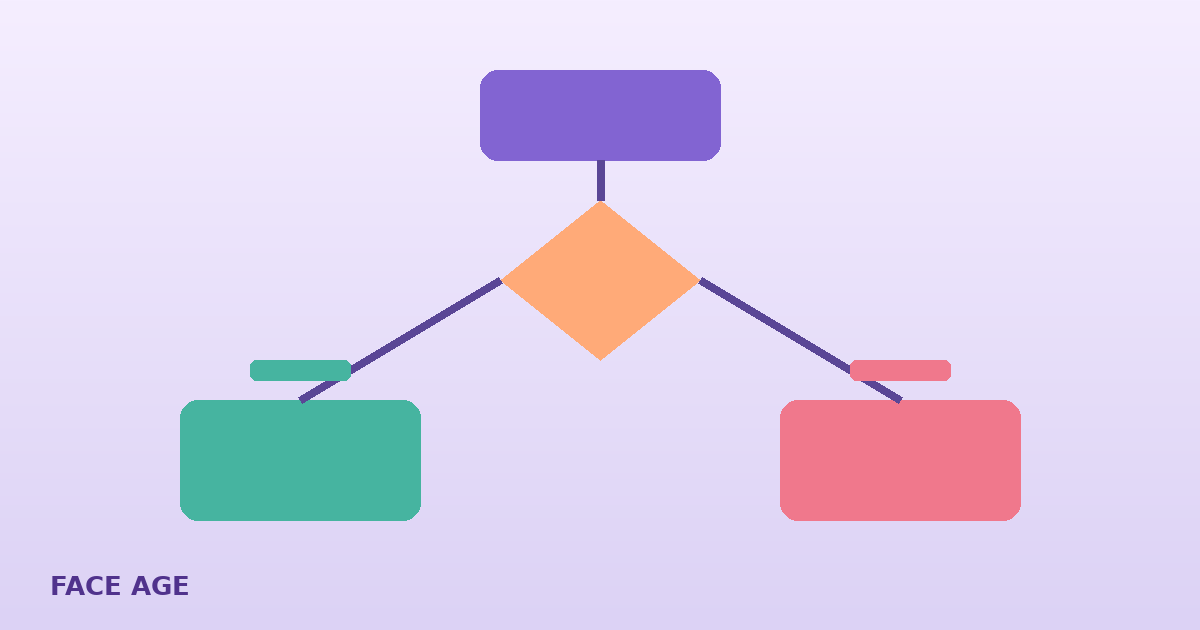
If you need branching (hide the allergen detail screen when someone says no allergies), that is conditional hide logic in the Quiz Builder. We cover when to branch in conditional logic in a skincare quiz on Shopify.
How Face Age elements should carry these questions
In Apps > Face Age > Quiz Builder, build one idea per section.
- Welcome with Title + Paragraph: time estimate and what they get.
- Constraints section: Multi Select for avoids.
- Preferences section: Select for routine length and texture.
- Budget Select if your range is wide.
- Skin Analyzer section (required).
- Email element if you want results or flows later (one Email field per quiz; the label cannot be renamed).
Mark only what you truly need as required. Preview the flow, then take it yourself on mobile with answers that should hide sections. Publish as a Modal or Section from the Publish page; placement tips live in the Shopify skin analyzer placement guide.
Connecting answers to products without overbuilding
Quiz answers and scan concerns are related but not identical. Practical pattern for most catalogs:
- Connect every recommendable SKU to the scan concerns it actually addresses.
- Use exclusions for hard nos (fragrance-free line, no retinol alternatives, etc.).
- Keep quiz branching for experience length and for questions that would confuse people if shown blindly.
- Put preference language into result copy and email, even when the SKU set is driven by concerns.
Plus ($129) and above add routines, history, PDF reports and Klaviyo/Mailchimp if you want the quiz email to feed a flow. Compare plans on pricing. For a wider tool view, see best AI skin quiz tools for ecommerce.
A simple editing pass before you publish
Read every question out loud. If you cannot finish the sentence "Because you answered X, we will…" then rewrite or delete it. Check that every Multi Select option maps to a tag, a collection or an exclusion you maintain. Then run three fake shoppers: short routine + fragrance-free; full routine + no constraints; mid budget + keeping their SPF. If those three paths recommend nonsense, fix the catalog rules before you add more questions.
FAQ
How many skincare quiz questions should I ask? Most stores do well with four to seven question screens before the scan. Count screens, not every field. If people drop off before the photo, cut preference questions first.
Which skincare quiz questions help product matching most? Questions that create hard constraints: allergies or ingredients to avoid, routine length, texture preference, budget band, and current products they refuse to drop. Soft skin-type guesses help less than a scan plus clear exclusions.
Should I ask people their skin type? You can, but treat it as preference context, not ground truth. Many shoppers mislabel combination or dehydrated skin. Let the photo scan handle visible concerns and use the quiz for habits and limits.
Can quiz answers change which products Face Age shows? Product matching in Face Age is driven by connected concerns, severity, conditions and exclusions on each product. Use quiz answers to branch the flow and capture email; map catalog rules to the scan concerns you actually sell against.
Where do I build these questions in Face Age? Shopify Admin > Apps > Face Age > Quiz Builder. Use Select and Multi Select for most answers, one Email element if you need follow-up, and keep the Skin Analyzer section.