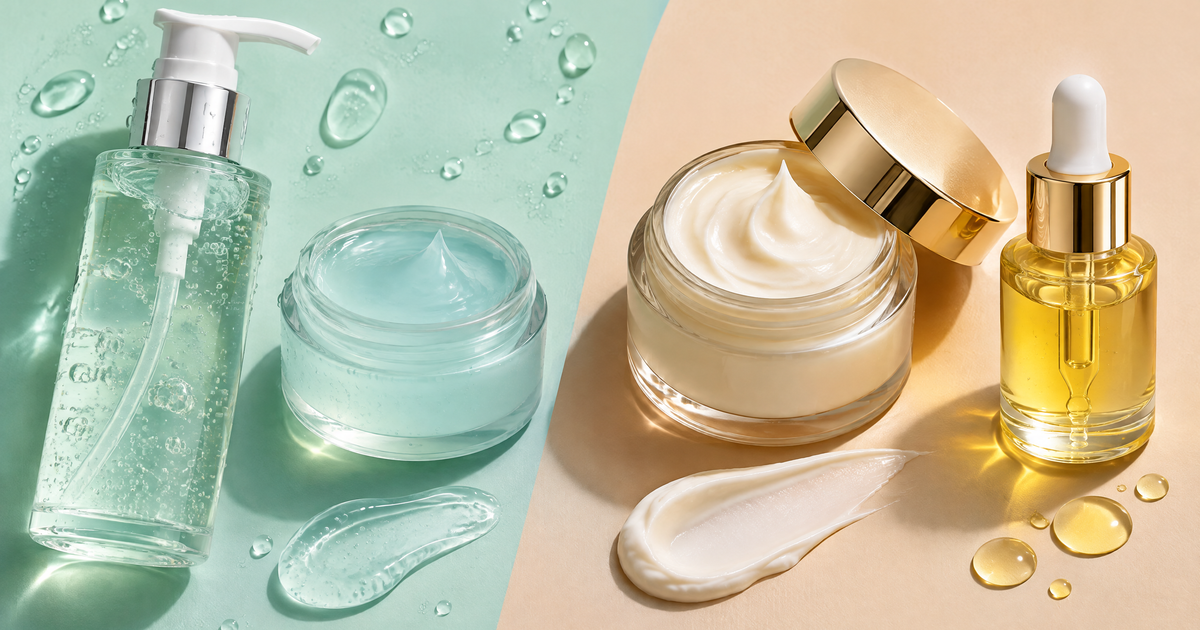
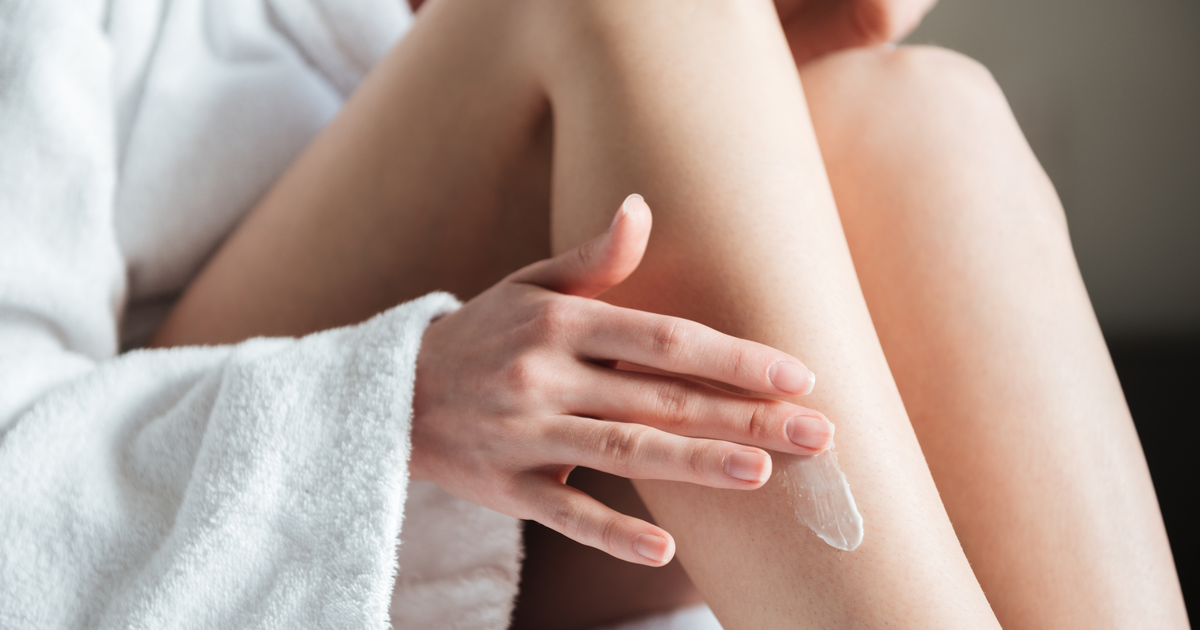
AI body skin analysis is still rare in ecommerce, and most store tools, Face Age included, analyze the face only. For a bodycare brand the practical setup is a face scan for facial products plus a short quiz for body concerns, with those answers controlling which body lotions, oils and scrubs appear. A few platforms do list dedicated body analysis, usually on higher-priced plans, so it's worth knowing what you'd be paying for.
This question keeps coming up in our search data in different forms: which platforms support personalized bodycare recommendations, and how bodycare brands can connect a skin analysis tool to their catalog. Here's what I'd tell a bodycare founder over coffee.
Why AI body skin analysis needs more than a face scan
Face skin and body skin behave differently. Someone can have an oily T-zone and very dry shins. Facial skin gets more cleansing, more product and more sun on most days, while the backs of the arms get almost none of that.
So a face scan reading "low dryness" says very little about whether that shopper needs a richer body cream. If you use facial results to drive body recommendations directly, you'll get confident-looking picks that don't match what the shopper feels in the shower.
Face Age reads one face photo for 13 visible concerns across 250+ attributes, including oiliness, dryness, redness and pigment. Not a medical diagnosis; does not replace a dermatologist. It's useful for facial routines. It isn't a body scanner, and you shouldn't market it as one.
What are your options as a bodycare brand?
| Approach | What it involves | Good for | Watch out for |
|---|---|---|---|
| Face scan plus body quiz | Scan for face, two or three quiz questions for body | Brands selling face and body | Keeping body questions short |
| Body quiz only | No photo, question-based matching | Body-only brands, lower setup | Less engaging than a scan |
| Dedicated body analysis platform | A vendor that lists body photo analysis | Larger brands with budget | Price, photo privacy, what's actually measured |
Face scan plus a body quiz is where most mixed catalogs land. The scan gives the experience its pull, and the quiz fills the gap for body products.
A quiz on its own is perfectly reasonable if you only sell bodycare. Our comparison of skin quizzes and AI skin analyzers goes through when a quiz alone is enough.
Dedicated body analysis exists. Oyster, for example, calls its product "AI Skin & Body Analysis," and its pricing page (checked 20 November 2026) lists body analysis on the Scale plan at $1,000 a month for 2,500 analyses. If body photos are central to your brand, get a demo and ask exactly which areas are read, how shoppers take the photo and where those images are stored. Body photos are more sensitive than selfies, and your privacy policy will need to say so.
How to add body products to a scan-based routine
Here's the setup I'd use on Face Age for a brand selling both face and body products. The idea is simple: the face scan drives facial picks, quiz answers drive body picks, and nothing body-related appears unless the shopper asked for it.
- Pick your body questions. Two or three is plenty. For example: "Where does your skin feel dry or rough?" (arms, legs, hands, feet, nowhere), "How does your skin feel after a shower?" (comfortable, a bit tight, very tight), and "Do you want a body step in your routine?" (yes, maybe, no).
- Add them to the quiz. In Shopify Admin > Apps > Face Age, open the quiz builder and add the questions after the facial ones, so the scan still feels like the main event. Our guide to conditional logic in a skincare quiz explains when to branch so people who answer "no" skip the follow-ups.
- Map body products with conditions. Give a body lotion the concern it's sold for, then add a condition so it only shows when the quiz answer matches, for example "skin feels very tight after a shower." The scan alone shouldn't trigger it. If you haven't set up product rules before, how AI skin analysis picks products explains severity, conditions and exclusions.
- Exclude obvious clashes. If a shopper says their skin is very sensitive, hold back the strongest exfoliating body scrub. That one rule saves a lot of returns and unhappy emails.
- Group body picks as an add-on. Keep them below the facial routine, labelled clearly as body products. A shopper scrolling a facial routine and hitting a foot cream is jarring.
- Check your catalog sync. Bodycare ranges often have more sizes and refill packs than facial lines. Make sure only the variants you actually want recommended are mapped. Our walkthrough on connecting AI skin analysis to your product catalog covers that clean-up.
- Update the privacy policy. It has to mention the AI skin analysis anyway, and Face Age provides a template. If you collect body-related quiz answers, say what you store.
The whole thing takes an afternoon on a catalog with a couple of dozen body products. The fiddly part is writing body questions that a shopper can answer in two seconds.
Writing body questions that people answer honestly
Body questions feel more personal than face questions, so keep them neutral and practical.
Ask about feel and habit, not appearance. "Does your skin feel tight after a shower?" works. "Do you have rough, bumpy skin?" puts people off.
Use areas, not conditions. Arms, legs, hands and feet are fine. Don't ask about rashes, scars, stretch marks or anything that sounds like a skin condition. That moves you into territory a cosmetic store shouldn't be in.
Give an easy out. "Nowhere in particular" and "I don't use body products" should always be options. Those answers are useful data, too: they tell you who not to email about body launches.
If you want to use these answers beyond the routine, our guide to zero-party data from a skin scan and quiz covers what's worth keeping and how to use it in email.
Building face and body sets
Once body answers are flowing, sets become easier. A shopper with dry facial skin who also says their legs feel tight after a shower is a good candidate for a "dry skin, head to toe" bundle. One who skipped the body questions isn't. We wrote up how to structure these in personalized skincare bundles from skin scan results.
Be careful with the copy. "Picked for the dryness your scan showed and the tight-after-shower feeling you told us about" is honest. "Your body skin analysis shows..." is not, because there wasn't one.
When it makes sense to pay for body analysis
Most brands don't need it. A dedicated body scan starts to make sense when body products are most of your revenue, your shoppers already share body photos (with fitness or tanning brands, say), and you have the budget and privacy process for a more sensitive kind of image. Even then, try a body quiz for a month first. If people won't answer three body questions, they probably won't take a photo of their legs.
You can see how the face scan and quiz work together on the Face Age quiz feature page.
FAQ
Can Face Age analyze body skin? No. It analyzes a face photo for 13 visible concerns. Handle body concerns with quiz questions.
How can a bodycare brand personalize without a body scan? Ask two or three body questions and use the answers as conditions on body products.
Are there tools that offer AI body skin analysis? Some list it. Oyster's pricing page (checked 20 November 2026) lists body analysis on its $1,000-a-month Scale plan.
Should body products show up in a facial routine? Only when quiz answers say the shopper wants them.
Is body skin analysis medical? Keep it cosmetic and avoid questions about conditions. Not a medical diagnosis; does not replace a dermatologist.