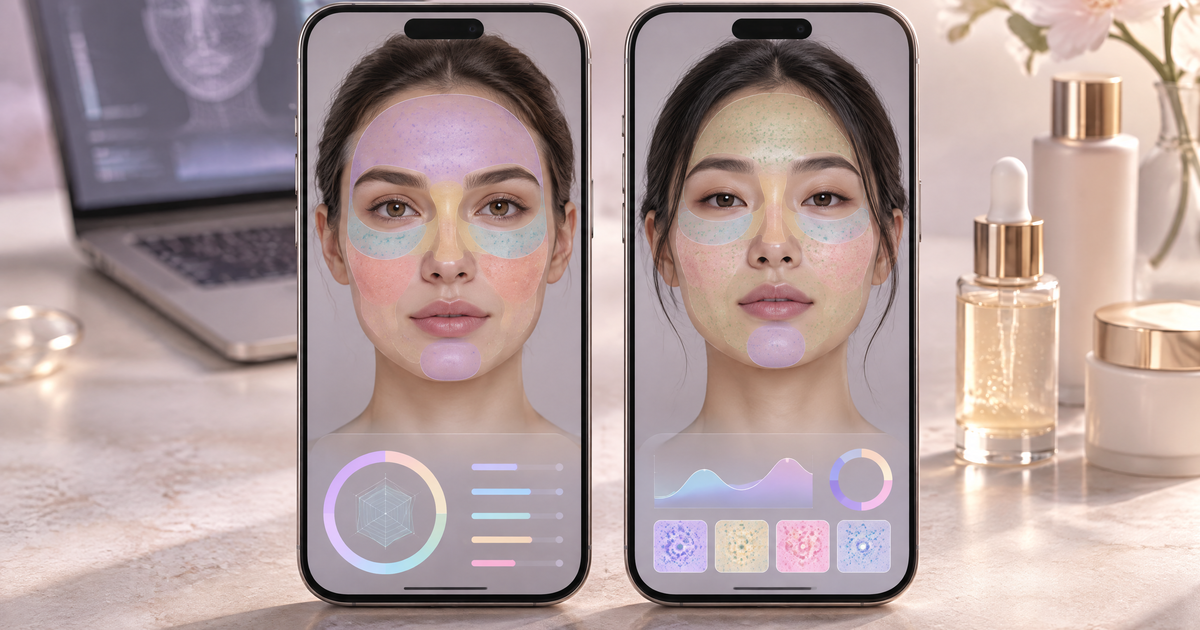
AI skin analysis data governance means knowing, before you sign, exactly what happens to a shopper's selfie and results: what's collected, where it's processed and stored, how long it's kept, who else touches it, and how it gets deleted. Ask every vendor those questions in writing, compare the answers with the settings you'll actually use, and only then write your privacy policy. A vendor that can't answer clearly isn't ready for your customers' faces.
Most buying checklists for skin analysis are about features and price. Data comes up at the end, usually when legal asks a question nobody can answer. I'd flip that. A face photo is the most personal thing most shoppers will ever upload to your store, and if the answers are vague, the rest of the evaluation doesn't matter much.
This isn't legal advice. It's the practical list I'd use, and your lawyer should check where your markets have specific rules on facial images.
Start with what the scan collects
Before any vendor call, write down what your setup would collect. For most stores it's some mix of:
- The selfie, taken live or uploaded.
- Quiz answers, such as skin type, sensitivity or goals.
- An email, if you add a lead step.
- Results: concern readings, the routine and product matches.
- Analytics events, if you send scan steps to Google Analytics or a pixel.
Then ask the vendor to confirm the same list from their side, including anything collected automatically, like device data. Differences between your list and theirs are the first thing to clear up.
The questions to send every vendor
Processing and storage
- Where is the photo processed? Which country or region, and on whose infrastructure?
- Is the photo stored after analysis? If yes, in what form: full image, cropped skin regions or only the numeric results?
- Can we choose not to store photos at all and keep only results?
- Where is history stored, and can we choose between device-only and server storage?
Some vendors now describe techniques that strip identifying features before processing. That's worth asking about, but ask what's kept afterwards, not just how it's sent.
Retention and deletion
- How long are photos and results kept by default? Can we set our own period?
- How does a single shopper get their data deleted, and how fast?
- What happens to our data if we pause, cancel or close the account?
- Can we export our data before leaving?
Sharing and sub-processors
- Which sub-processors handle the data (hosting, AI models, email)? Will you tell us before adding new ones?
- Is any shopper data used to train your models? Can we opt out?
- Which of our tools will receive data from the scan, and what fields exactly?
Consent and wording
- Do you provide privacy policy wording or a template?
- Can the scan show a consent step before the camera opens?
- Does the result page describe a cosmetic analysis, or does it use medical language?
Security and contracts
- Is a data processing agreement available? For which plans?
- Who on your side can view shopper photos, and is that access logged?
Sixteen questions sounds like a lot. A prepared vendor answers most of them from existing documents in a day.
Compare answers with your actual settings
The vendor's answer is only half of it. Your configuration decides a lot.
Take history storage. In Face Age, analysis history has three modes. Browser only keeps past scans on the shopper's device, so you're not holding a server copy. Server API stores history for a logged-in customer or a known email, so it follows them across devices. Both uses the server with the browser as fallback. There's also a separate option to save the full analysis data, including photos, quiz answers, routine and recommendations, to Shopify Customers. Each choice changes what your privacy policy has to say. The trade-offs are covered in browser vs server storage for skin analysis history.
Lead capture is the other big one. If the scan sends emails and results to Klaviyo, Mailchimp, Omnisend, HubSpot or Shopify Customers, each of those becomes a place shopper data lives. Name them in your policy, and check that the marketing consent on those lists matches what the scan screen promised.
My rule of thumb: collect the least you need for the experience you want. If you don't plan to show history, don't store it on a server. If you won't email results, don't ask for an email.
Cancel, uninstall and offboarding
Ask this one early, because it's where surprises happen. What happens to your shoppers' data when you stop paying?
For Face Age, cancelling your plan keeps your data intact, so you can come back without losing skin profiles. Uninstalling the app deletes it permanently within 48 hours. If you need records, export them first. We explain the difference in cancel plan vs uninstall: what happens to skin scan data.
Other vendors handle this differently, and contract terms matter. A twelve-month licence with data held for a set period after termination is a very different position from a monthly app.
Put the answers into your privacy policy
Once you have answers, the policy almost writes itself. It should name AI skin analysis, list what's collected, say why, explain where data is stored and for how long, and tell people how to get it deleted. Face Age provides a privacy policy template to start from, and its Shopify setup reminds you that your policy must disclose the skin analysis.
For the section-by-section wording, see what your store's privacy policy should cover for AI skin analysis.
And keep the intended use plain on the result page. Face Age describes a cosmetic analysis of visible skin to help choose products. Not a medical diagnosis; does not replace a dermatologist. Keeping the scan clearly cosmetic is part of good governance too, because medical-sounding claims can pull the data into stricter categories in some places.
White-label and API buyers: a few extra checks
If you're putting the scan under your own brand or calling it through an API, add:
- Which domain the shopper sees during the scan, and whose cookies are set.
- Whether API calls send the full photo or a processed version.
- Who's responsible for answering a shopper's deletion request: you or the vendor.
Our checklist for white-label skin analysis software covers the branding side, and skin analysis API vs Shopify app explains the two ways Face Age installs.
A scoring sheet for AI skin analysis data governance
When the answers come back, score each vendor on four things, from clear to unclear:
- Collection: do they collect only what the experience needs?
- Control: can you choose storage, retention and deletion?
- Transparency: are sub-processors and locations named?
- Exit: is offboarding and export clearly described?
A vendor that's clear on all four is easy to defend to your legal team and to your customers. You can review Face Age's settings yourself on the scan history feature page before you install.
FAQ
What data governance questions should a beauty brand ask an AI skin analysis vendor? What's collected, where photos are processed and stored, retention, sub-processors, deletion for one shopper and for the whole account, and what happens when you cancel or uninstall.
Does AI skin analysis keep customer photos? It depends on the vendor and your settings. In Face Age, history can be browser-only or server-stored, and a separate option saves full data including photos to Shopify Customers.
What happens to Face Age data if I cancel? Cancelling keeps it. Uninstalling deletes it permanently within 48 hours.
Is a skin scan health data? Ask your lawyer about your markets. Face Age is a cosmetic analysis. Not a medical diagnosis; does not replace a dermatologist.