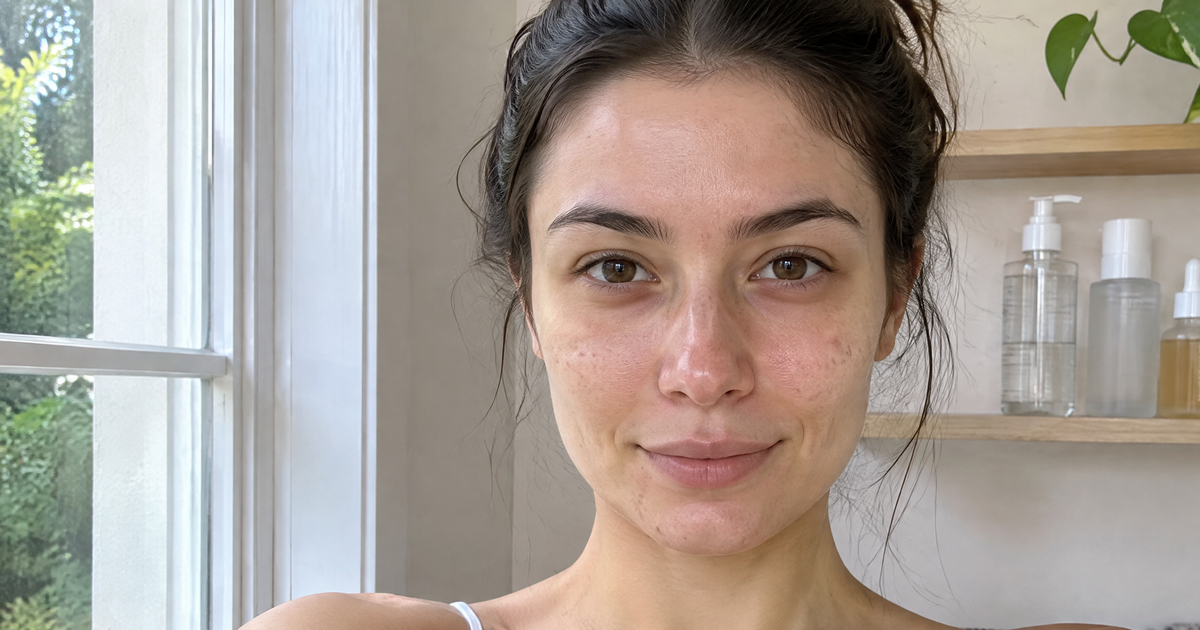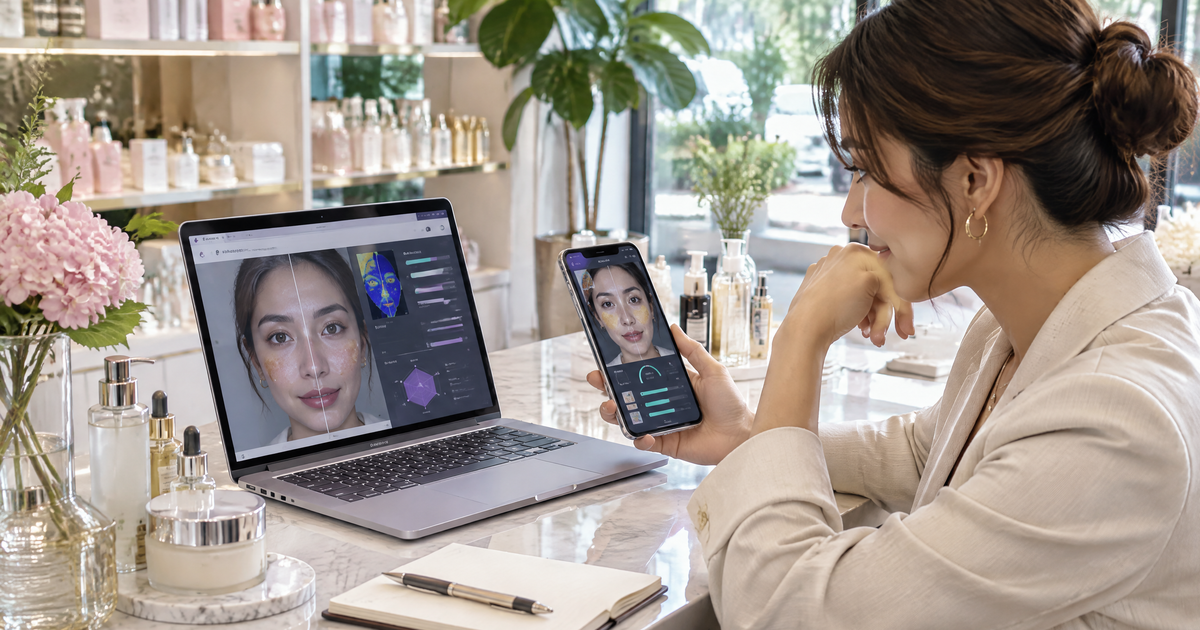
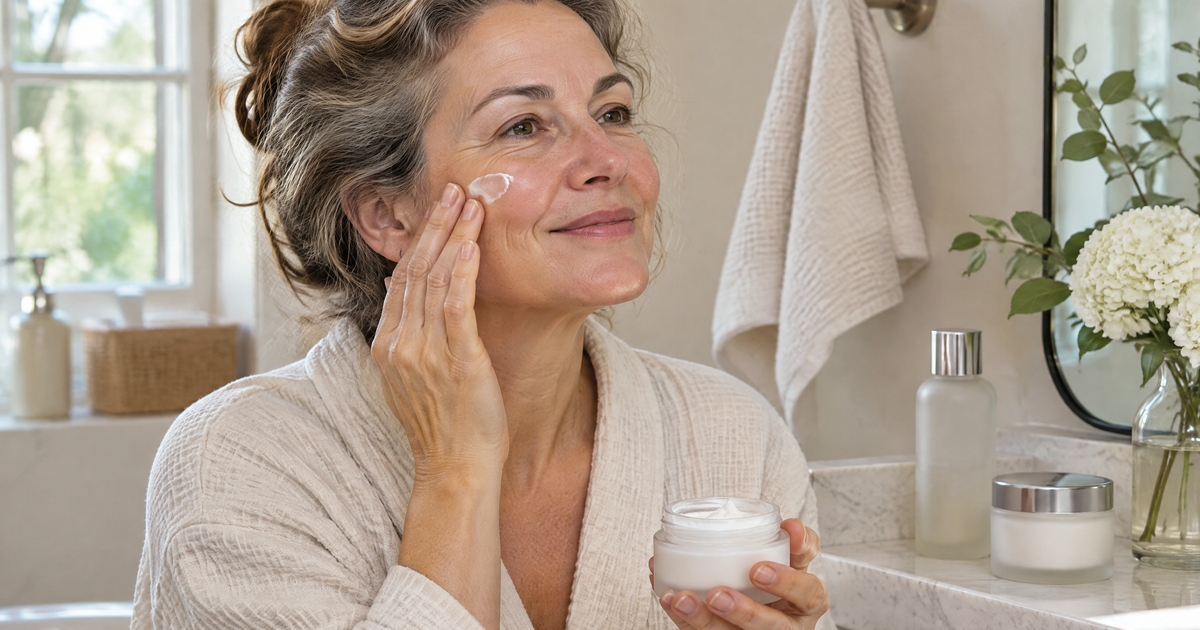
Skin longevity tools, for a beauty brand, are the things that help a customer look after their skin over years instead of chasing one fix. Online, that usually means a baseline AI skin analysis with a Skin Age estimate, repeat scans at sensible intervals, stored history so each scan has something to compare against, and routines that shift when the readings shift. AI skin analysis fits in as the measuring tape. It gives you a consistent, repeatable read of visible skin so the long-term story has data behind it. It doesn't slow aging, and nothing in your marketing should suggest it does.
"Skin longevity" has become a popular phrase, and with it comes a lot of vague product copy. This post is about what a store can genuinely offer, how to set it up, and where the line is.
What "skin longevity" means in a store context
Strip away the trend language and skin longevity for a skincare brand comes down to three customer habits:
- Using sunscreen and a steady basic routine every day.
- Adjusting the routine as the skin and seasons change.
- Checking in now and then to see whether things are moving in a good direction.
The first one is product and education. The second and third are where tools help. Most shoppers can't tell whether their skin looks better than it did four months ago. Memory is bad at this, and bathroom mirrors don't keep records.
That's the gap a repeat skin scan fills.
The skin longevity tools a store can actually offer
A baseline scan with Skin Age
The first scan sets the starting point. Face Age reads 13 skin concerns across 250+ attributes from one photo and returns a Skin Age estimate alongside them. For a longevity angle, the aging-related readings matter most: fine wrinkles, eye wrinkles, deep wrinkles, pigment, and the beta readings for sagginess and dullness, alongside redness and dryness.
Skin Age is a talking point, not a verdict. Present it as "how your skin reads in this photo" and pair it with the concern breakdown so the shopper sees why. Our explainer on the skin age test covers how to word it so it doesn't feel like a judgment.
Not a medical diagnosis; does not replace a dermatologist.
Stored history
A baseline is only useful if you keep it. Analysis history (Customization > Basic in Face Age) has three storage modes:
- Browser only: fast, but tied to one device.
- Server API: stored against a logged-in customer or email, so it follows them across devices.
- Both: server first, browser as a fallback.
For anything long term, use Server API or Both. A longevity story that resets when someone buys a new phone isn't a story. The scan history feature page shows where the setting lives.
Before-and-after comparison
This is the tool shoppers actually respond to. In the analysis result, the Compare tab lets someone pick an earlier scan and see both side by side. Each concern gets a Skin Metrics Diff tagged Improved, Regressed or Stable, with a summary.
Over a year, that becomes a record. Our guide to reading a before-and-after skin comparison explains why readings can wobble between scans for reasons like lighting, and how to explain that to customers.
Routines that change with the readings
Long-term care fails when the routine never changes. If you map products by concern and severity, a rescan that shows pigment dropping from medium to low will swap a stronger serum for a gentler one on its own. The full method is in how to update skincare recommendations when a customer's skin changes.
A record the customer keeps
Branded PDF reports (Plus and above) let shoppers download each result. Some people like a folder of dated reports more than an account page. It's low effort for you and makes the longevity idea tangible.
How to set it up, step by step
- Turn on history with server storage. Ask shoppers to log in or leave an email to save results. Update your privacy policy to say so.
- Map your anti-aging and daily-care range. Sunscreen and moisturizer should be mapped broadly. Retinoid-style and peptide products should be mapped to the aging concerns and severities they suit. If you need help with that range specifically, see matching anti-aging products to scan results.
- Enable the comparison. Dashboard > What's new > Set Up Comparison. It needs history switched on.
- Add the Customer analysis history block to the account page so logged-in customers see past scans with a "Scan again" button.
- Set a rescan rhythm. Every two to three months works well for a longevity routine. Add a rescan line to replenishment emails and seasonal campaigns.
- Write honest copy. "Track how your skin reads over time" is fine. "Reverse your skin age" is not.
Where AI skin analysis does not fit
Being clear about limits is part of selling this well.
- It doesn't predict the future. It reads a photo taken today. Any "your skin in ten years" feature is a simulation, which is a different product with different caveats.
- It doesn't measure biology. No collagen readings, no cell-level claims. It analyzes visible signs.
- It doesn't prove a product worked. Two scans can show a reading changed. They can't show why. Lighting, season, sleep and a dozen other things move skin.
- It isn't a health check. Keep the language cosmetic throughout.
Brands that respect these lines tend to get more trust, not less. Shoppers who are into longevity routines are often well read and can spot hype quickly.
Choosing a provider for long-term tracking
If you're comparing tools with longevity in mind, the questions shift a little from a one-off scan:
- Does history follow the customer across devices?
- Can the shopper compare any two scans, or only the last two?
- Is there an export or PDF the customer keeps?
- What happens to stored history if you change plans? With Face Age, cancelling a plan keeps data; only uninstalling deletes it, within 48 hours.
- Are the readings consistent enough between scans to make comparison meaningful? Test this yourself with the same face in the same light, twice.
For a wider view of vendors, see our 2026 comparison of AI skin analysis tools for ecommerce.
Pricing
On the Shopify App Store, Face Age's history, comparison, routines and PDF reports start on Plus at $129 a month. Start is $59 (scan, Skin Age, quiz and recommendations), Growth $249 and Scale $499, each with a 7-day free trial. For a longevity program, Plus is the realistic starting point because history and comparison are the heart of it.
FAQ
What are skin longevity tools for beauty brands? A baseline scan with Skin Age, repeat scans, stored history, side-by-side comparison and routines that update as readings change.
Can AI skin analysis predict how skin will age? No. It reads visible signs in today's photo and tracks changes between scans.
Which Face Age plan covers history and comparison? Plus and above, from $129 a month on the Shopify App Store.
Is this a medical skin assessment? No. Not a medical diagnosis; does not replace a dermatologist.