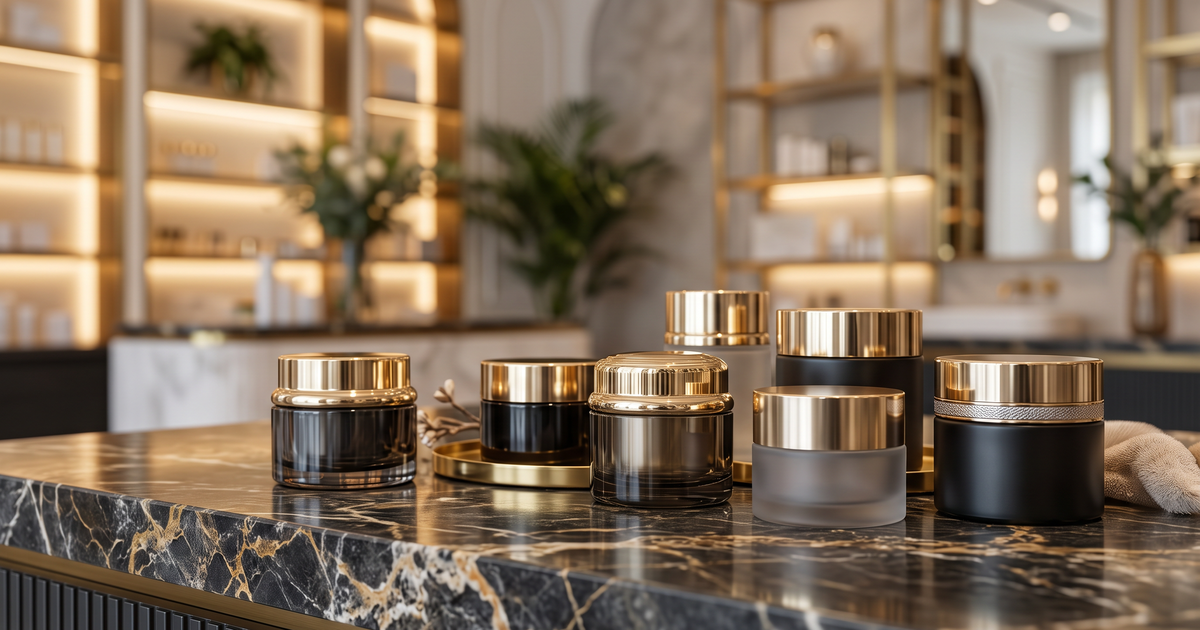
Premium shoppers are used to a counter experience: someone looks at their skin, asks a few good questions and hands over a small selection. Online, most stores replace that with a category grid. A scan can bring back part of the counter, if it's built with the same restraint.
Key terms
- Skin analysis: a reading of visible concerns from one photo, rated low, medium or high. Face Age reads 13 concerns across 250+ attributes and gives a Skin Age estimate.
- Modal vs Section: a floating button that opens the scan in a popup, or a block placed inside a page.
- Curated result: a deliberately short product list, set by how you map products to concerns and levels.
- Branded PDF report: a downloadable summary of the result in your brand's look (Plus and above).
The scan is a cosmetic analysis for shopping guidance. Not a medical diagnosis; does not replace a dermatologist.
Why stores hesitate about AI skin analysis for luxury skincare
The worry I hear most is tone. A bouncy floating button, emoji answers and a long "find your perfect match!" quiz feel like a mass-market store. For a brand that spends heavily on packaging and photography, that's a real cost.
The second worry is the result screen. If a shopper with a few visible concerns gets nine products, it looks like a sales push. Luxury customers expect editing.
Both are setup problems, not technology problems.
There's a third, quieter worry: that a scan replaces the human touch your brand is known for. It doesn't have to. Many premium stores already offer email or chat advice from trained staff. The analysis can sit in front of that, giving your team a starting point. A shopper who sends their PDF report with a question is far easier to help than one who writes "what should I use?" with no context.
Make it look like your store
Choose Section over Modal for the main entry. A dedicated "Skin Consultation" page with an in-page Section block feels considered. The floating Modal is useful, but for a premium store I'd keep it subtle or reserve it for specific pages. The trade-offs are in our post on Modal or Section placement.
Match type and color. Theme blocks follow your fonts, colors and button styles. If you use the Modal, upload your own badge image and set its background color and position for desktop and mobile in Customization.
Use your own photography around it. The page that hosts the scan should look like the rest of your site: one strong image, generous white space, a short intro in your voice.
Write the quiz like a consultant would speak
A luxury quiz should be short. Three or four questions, then the photo. Use plain, warm language:
- "How does your skin feel by the end of the day?" instead of "Select your skin type."
- "Is there anything your skin doesn't tolerate well?" with options you can wire to excludes.
- "How many steps do you enjoy in your routine?" so you can keep results to two or three products for minimalists.
Use hide conditions so nobody sees a follow-up that doesn't apply. The Quiz Builder supports that on every plan. If you collect an email, place the Email element near the end and explain what they'll receive, such as their report.
Curate the result, don't list the catalog
This is where premium stores win or lose. In Face Age, products appear because you've linked them to concerns and severity levels. Keep it tight:
- Map each serum to one or two concerns, not every claim on the box.
- Let targeted products show only at medium and high levels.
- Choose one hero moisturizer per skin type and exclude the others with quiz answers.
- Use the Recommended Products carousel and Product Insight blocks only on pages where they add context.
Our guide to how AI skin analysis picks products explains the rules behind this.
Give them something to keep
High-end shoppers often research before they buy, and they come back. Three Plus features suit that rhythm:
- Branded PDF report. The shopper taps the document icon at the top right of the result and downloads a branded summary. It reads like a consultation card they can keep or forward.
- Analysis history. With history on, returning shoppers see "Previous analyses found", so the second visit picks up where the first left off.
- Two-scan comparison. The Compare tab sets an earlier scan beside the new one, with each concern marked Improved, Regressed or Stable. Keep your copy around it modest; it's a record of two photos, not proof of results.
More on the report on the skin report feature page.
Write result copy in your voice
Out-of-the-box result text is neutral. Premium brands should edit what they can so it sounds like their counter staff. Avoid hard-sell lines after the result. A short note such as "Here's where we'd start" lands better than "Shop now and save".
If you run discount codes, think twice before showing one right after the analysis. For many luxury brands, a discount on the consultation screen cheapens it. A complimentary sample with the first order, mentioned in the PDF, can fit better.
Language and privacy
International premium stores often sell in several languages. The analysis is shown in the store's language, which matters for a polished feel. And say clearly in your privacy policy that you use AI skin analysis; Face Age provides a template. Premium customers notice when that's handled well, and when it isn't. Our AI skin analysis privacy guide lists what to cover.
Which plan fits a luxury store?
Start ($59 a month) covers the scan, Quiz Builder, Skin Age and recommendations. Most premium stores will want Plus ($129) for branded PDF reports, history, comparison, routines and Klaviyo or Mailchimp. Growth ($249) and Scale ($499) add room as volume grows. All plans have a 7-day trial; see pricing.
A one-week plan
- Day 1: write four quiz questions in your brand voice.
- Day 2: map your top 20 products, tight levels, clear excludes.
- Day 3: build a "Skin Consultation" page with the Section block.
- Day 4: run ten scans with staff and read every result out loud.
- Day 5: turn on history and the PDF report if you're on Plus.
- Day 6 to 7: soft launch from one email or one homepage tile, and watch the Face Age analytics dashboard for scans and add-to-carts.
FAQ
Do luxury skincare brands use AI skin analysis? Several large beauty groups publicly run skin advisor tools. For an independent store, fit with brand tone matters most.
Will a skin scan make my store feel cheap? Only if it looks bolted on. Match styling, keep the quiz short and curate results.
Can the PDF report carry my branding? Yes, on Plus and above.
Is the analysis a medical assessment? No. Not a medical diagnosis; does not replace a dermatologist.